

Addressing the issues happening across the communities of America is a nuanced and complicated situation. The violence is no longer contained to those communities labeled “disadvantaged”, so the concern is now front and center with everyone. People who don’t live in certain communities bringing narratives to the community that doesn’t match reality. Please take a moment a look at the picture below and tell me what you see.
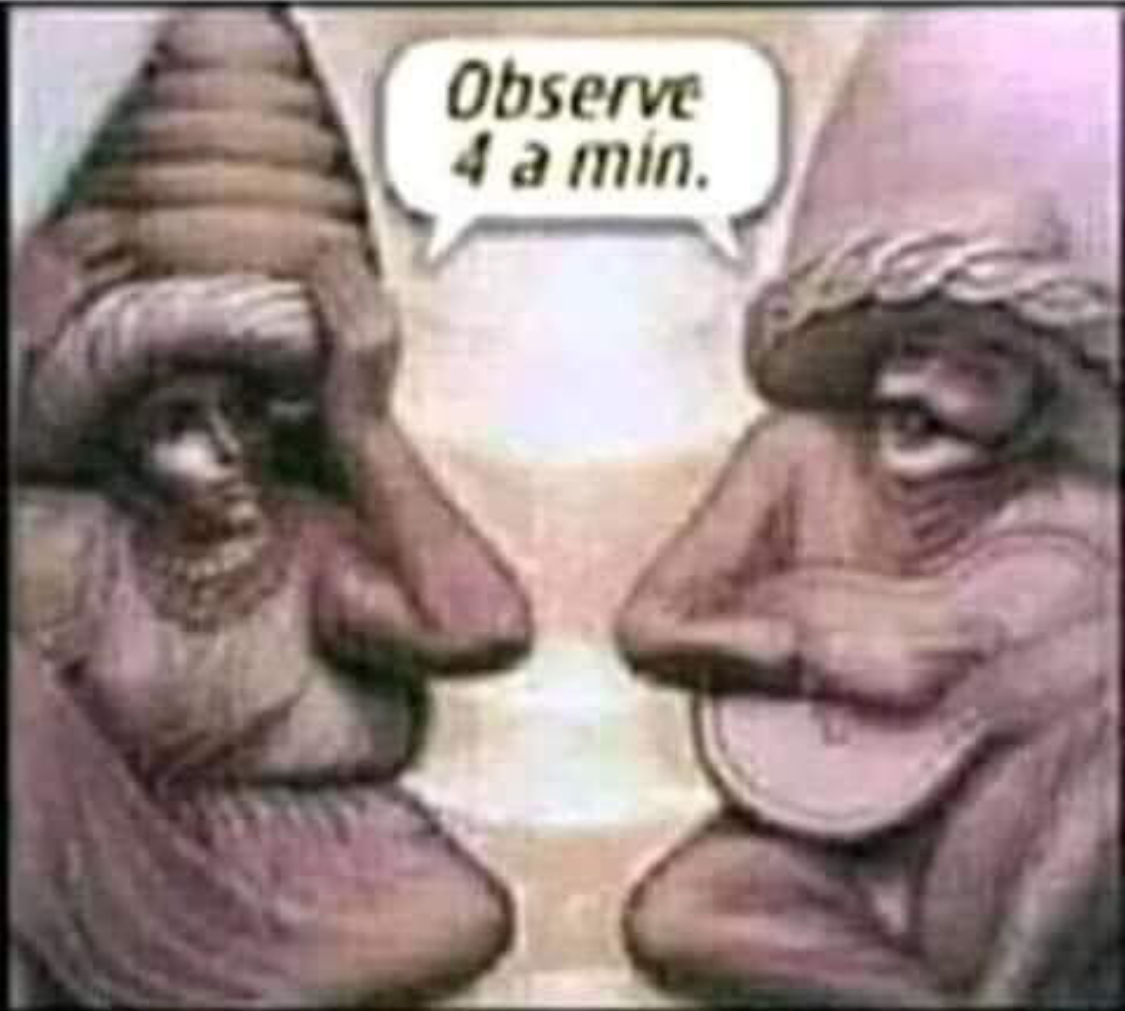
Some see two older people looking at each other. Others see a man seranading a woman with a banjos. The same view can yield different perceptions and understandings. If you are willing to engage in critical and conscious conversation, the topic dares us to remember the history of struggle, understand how much distance has been covered, and how much more distance remains. To pretend you do not notice something, because you should do something about it, but you do not want to does not dismiss its reality. American heritage isn’t so much anti-Black, as it has passed over us without giving us due attention. Some are even skeptical about our contributions. I’m reminded of the implications of the story where Jesus fed the multitudes. In John 6, He multiplied the food to feed about 20 thousand. Wait, wasn’t it 5,000? You didn’t count the women and the children. The Bible says, “besides,” which means not counting. In the same way, American history works through the people you don’t even count, the people you don’t notice, the people you don’t think are worthy of including in the story.
Schools don’t teach about the inventors, scientists, moral arbiters, the domain of towering thinkers, activists, and freedom fighters who are our foremothers and forefathers, our forebears in the historical Black struggle. Statues aren’t erected around the country to recognize Black people’s contributions to the American narrative. One example is Mary Pickersgill, credited with sewing the Star-Spangled Banner, which flew over Fort McHenry in Maryland and inspired Francis Scott Key to write our national anthem. Less known is that Grace Wisher, an African American girl at just 13 years old, sewed a significant amount of the flag. It’s another testament to the deeply rooted, yet often unmentioned, African Americans’ contributions to the very core of this country.
The violence and criminal activity we are witnessing – those tearing down statues that don’t represent them and destroying businesses not available to them is analogous to a glass teapot on the stove with no one paying attention to it. It’s glass, and you can see what’s happening to the water inside if you care to pay attention. It’s just a teapot, and the teapot’s systemic structure is to contain the water and to boil the water within the pot. It’s the tea or coffee that defines the drink. Tea consist of many different leaves and coffee from different types of beans. There is little to no discussion of the contribution of the water. The unattended water will reach a specific temperature and begin to signal it has reached its boiling point. When ignored, the only option the water has is to interact with the pot to enable it to escape its situation. When the pot explodes, we reason that we don’t understand why the water had to do so much damage. Maybe the pot was defective. That brand of teapot doesn’t boil properly. We neglect looking inward to acknowledge that we ignored the signs and signals the water and the teapot were sending us. The steam’s whistle sent up as proof that the water had experienced all it could take—the loud cry for relief. Theologian Howard Thurman says, “In this world, the socially disadvantaged is constantly given a negative answer to the most important personal questions upon which mental health depends: ‘Who am I? What am I?’” The answer provided by society is no longer acceptable. People are saying, “If the structures don’t care about them, then they don’t care about the structures.”
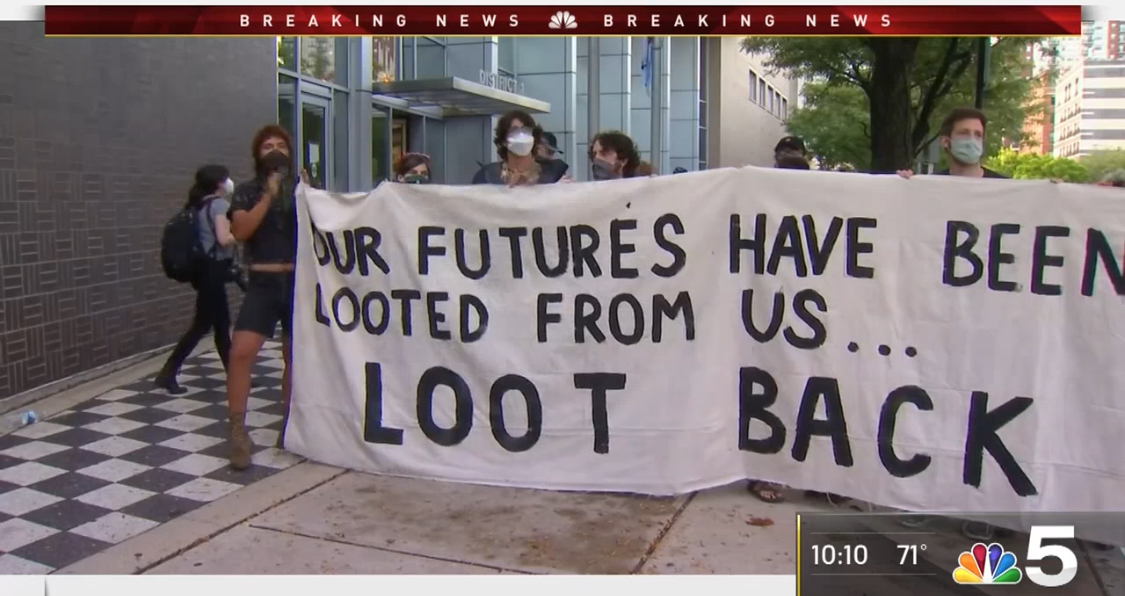
The teapot has exploded. The water has damaged the cabinets, the floor, and everything within its reach. We can now live with a damaged kitchen, or we can begin to repair the kitchen to its original intent. If we repair and continue to ignore the teapot, we will experience the same thing again. In the words of Rev. Dr. Eboni Marshall Thurman, “The fact of the matter is, if you’ve been fighting for your freedom for over 400 years, you’d be mad too. And you’d want someone to hear that your life matters, too. It’s definitely not an apologetic, but it is a story that has to be told in defense of our lives. We have to tell [our] story because our lives depend on it.”
Sustained unjust and inequitable distribution of resources and opportunities has led to terrible, unacceptable violence. In addressing the violence, residents are stating that “in order for us to deal with the disorder, we have to address all of the other inequities that face our community, it’s something that happens perpetually in our community. It is unacceptable that you close our schools. It is unacceptable that jobs are not available, and you say we don’t want to work. It is unacceptable that you displace our residents at [the Housing Authority] and not work with them to make sure they have sound housing.”
I am in no way condoning the lawlessness that is taking place, but no matter where you fall on the political or religious spectrum, we are called to respond first with love. We have to show grace, empathy, and patience. I’ll walk a mile in your shoes if I might see the world the way you do. It doesn’t mean I’ll agree with everything you think or do. But this enables us to communicate and understand each other’s worldview and situation honorably. We can then make informed decisions and take actions to cure the situation based on facts, not hyperbole or assumptions. Morality and love can only emanate, if we believe Revelations 9:7 and that the American dream is everyone’s dream.